10 TYPES OF recycled plastic products that help the environment

10 TYPES OF recycled plastic products that help the environment

The use of recycled materials in plastic products is an increasingly common and sustainable practice. Here are a few examples of plastic products made from recycled materials:

  • Recycled water bottles:
    • Recycled plastic water bottles. These bottles can contain recycled PET and reduce dependence on virgin plastic production.
  • Reusable bags:
    • Shopping bags made from recycled plastic. These bags are durable and help to reduce the use of single-use plastic bags.
  • Recycled toys:
    • Toys made from recycled plastic, such as building blocks, dolls and board games. This option reduces the demand for new plastic materials in the manufacture of toys.
  • Storage containers:
    • Storage containers made from recycled plastic. These containers are useful for organising food in the kitchen and other items around the house.
  • Outdoor furniture:
    • Garden and patio furniture made from recycled plastic. This furniture is weather-resistant and helps to reuse plastics.
  • Kitchen utensils:
    • Kitchen utensils, such as ladles and spatulas, made from recycled plastic. These utensils are suitable for everyday use and help to close the plastic life cycle.
  • Packaging for cosmetics and personal care:
    • Packaging for personal care and cosmetic products made from recycled plastic. Many brands are adopting the use of recycled plastic in their packaging to reduce their impact on the environment.
  • Pots and planters:
    • Recycled plastic pots and planters. These products are ideal for gardening and help give new life to recycled plastics.
  • Lamps and light fittings:
    • Lamps and light fittings made from recycled plastic. These products can offer creative and sustainable designs.
  • Piping and building materials:
    • Pipes and other construction materials made from recycled plastic. These materials are used in sustainable construction projects.

By choosing products made from recycled plastic, consumers are helping to reduce waste and promote more sustainable practices in the production and consumption of plastic.


100% RECYCLABLE PRODUCTS MADE FROM RECYCLED MATERIALS

At HEGA, we have been committed to recycling and NOT generating plastic waste in our production chain since 1993. This is why the recovery and recycling of plastic products in the production chain is an excellent initiative to reduce the environmental footprint and promote sustainable development. Here are a few products made from plastic recovered from our production chain:

recovered material CONTAINERS

Storage box system in a wide range of litre sizes with +70% recovered material

TUBS

Flexible plastic tub for gardening available in various litres with a high percentage of recovered material.

GARBAGE BIN

Bin collection with +70% recovered material

PET BED

Pet beds available in two sizes with +70% recovered material

It is important to note that by incorporating recovered plastic into the production of these products, it contributes to the reduction of plastic waste and the promotion of sustainable practices. In addition, it is essential to guarantee the quality and safety of products made from recycled plastic if they are to be accepted by the market.

FOOD&Go! Lunch boxes to carry your food wherever you go!

FOOD&Go! lunch boxes with which you can take your food with you wherever you go.

Plastic lunch boxes are ideal for going to work, going to the beach or going to the mountains. Our new FOOD&Go!


If you are looking for plastic lunch boxes suitable for taking to the mountains, beach or work, it is essential that they are durable, lightweight and resistant to adverse conditions. Here are some important features and considerations when choosing plastic lunch boxes for outdoor activities:

  1. Durable and safe material:
    • Look for lunch boxes that are made from food-grade plastic and are free of BPA or other harmful chemicals. Durability is key to withstand bumps and drops during mountain activities.
  2. Watertight and waterproof:
    • Opt for lunch boxes with airtight seals to prevent liquid leakage. This is crucial when you are on the move and exposed to different weather conditions. Also, water resistance will protect your food from moisture.
  3. Appropriate size:
    • Choose lunch boxes that fit the amount of food you plan to carry. Also, consider their shape and size to make them easy to fit into your pack efficiently.
  4. Lightness:
    • As you will be carrying the lunch box in your rucksack during mountain activities, it is important that it is lightweight so as not to add an unnecessary burden.
  5. Ease of cleaning:
    • Look for lunch boxes that are easy to disassemble and clean, as they are likely to accumulate dirt during your outdoor adventures.
  6. Microwave and dishwasher safe:
    • If you plan to heat food in the microwave or prefer hassle-free cleaning, make sure the lunch boxes are safe for use in these appliances.
  7. Compartments and stackable:
    • If you carry several types of food, consider lunch boxes with separate compartments. In addition, stackable lunch boxes will allow you to optimise space in your backpack.
  8. Resistance to extreme temperatures:
    • If you plan to be active in cold climates, make sure that lunch boxes are resistant to low temperatures to prevent them from cracking.

Remember that choosing the right lunch box will depend on your specific needs and personal preferences. Research product reviews and look for reputable brands that offer quality products to ensure a satisfying experience in the mountains.


FOOD&Go!

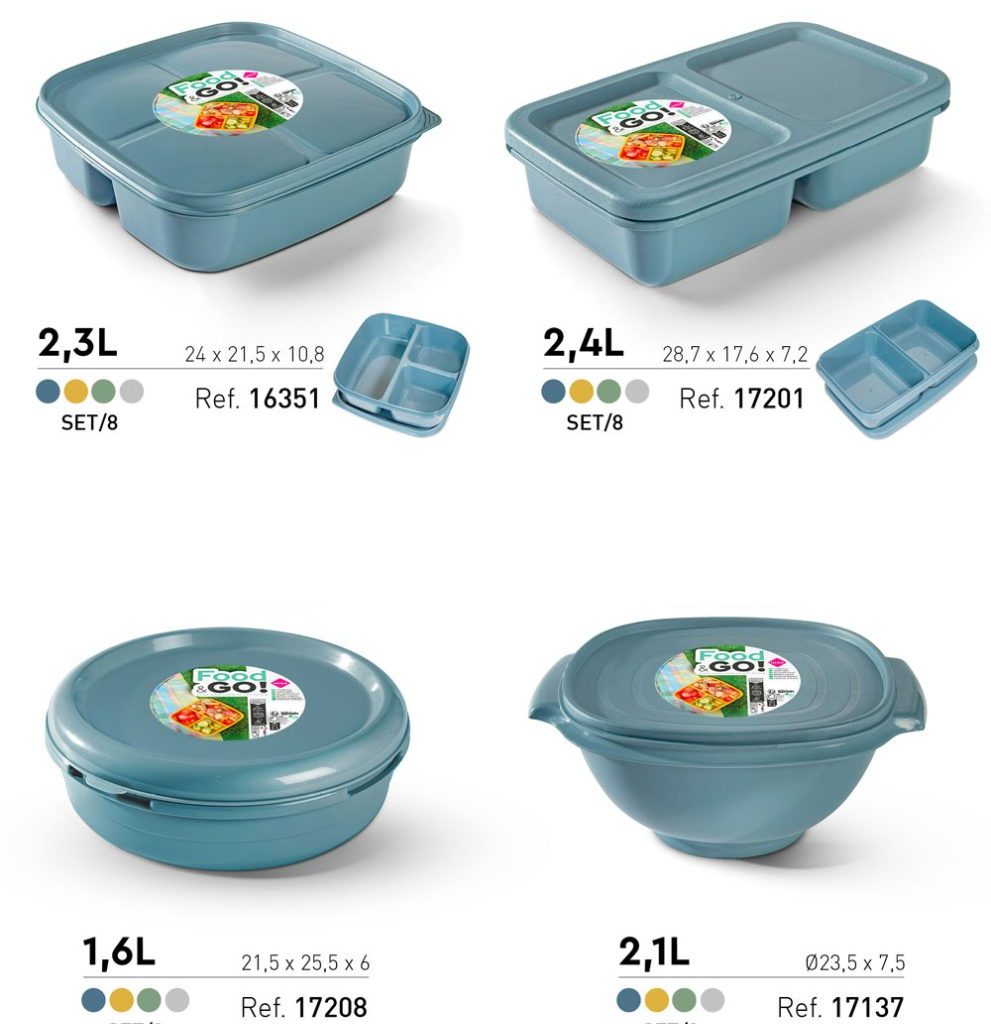
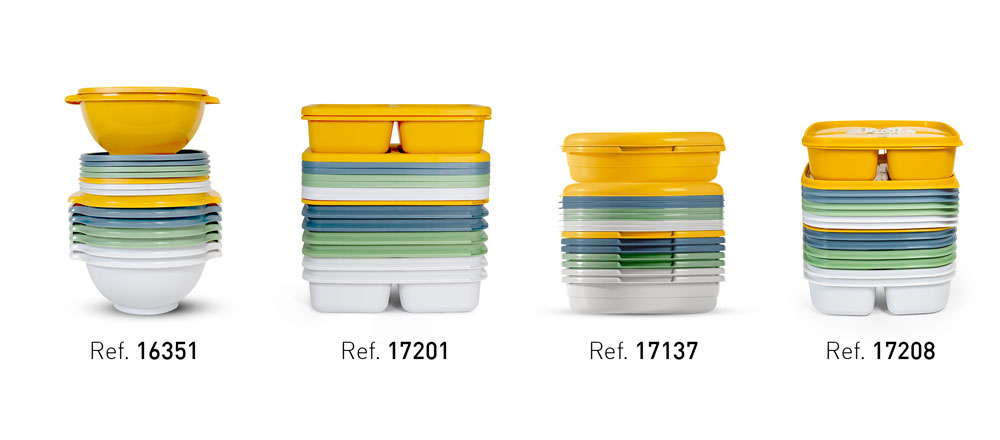
New range of FOOD&Go! lunch boxes with which you can take your food everywhere, available in sets of 8 units per model. Available in 1, 2 and 3 compartments with capacities from 1,6L to 2,4L. This series has a bowl with lid ideal for salads!


FOOD&Go! colour range

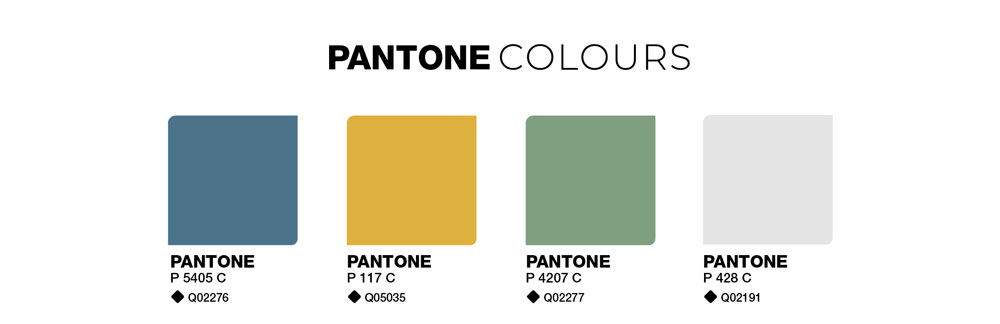
If you are looking for lunch boxes in specific colours based on the Pantone colour system, we offer you the range of colours that are trending in the world of kitchenware. Here are our Pantone colour suggestions

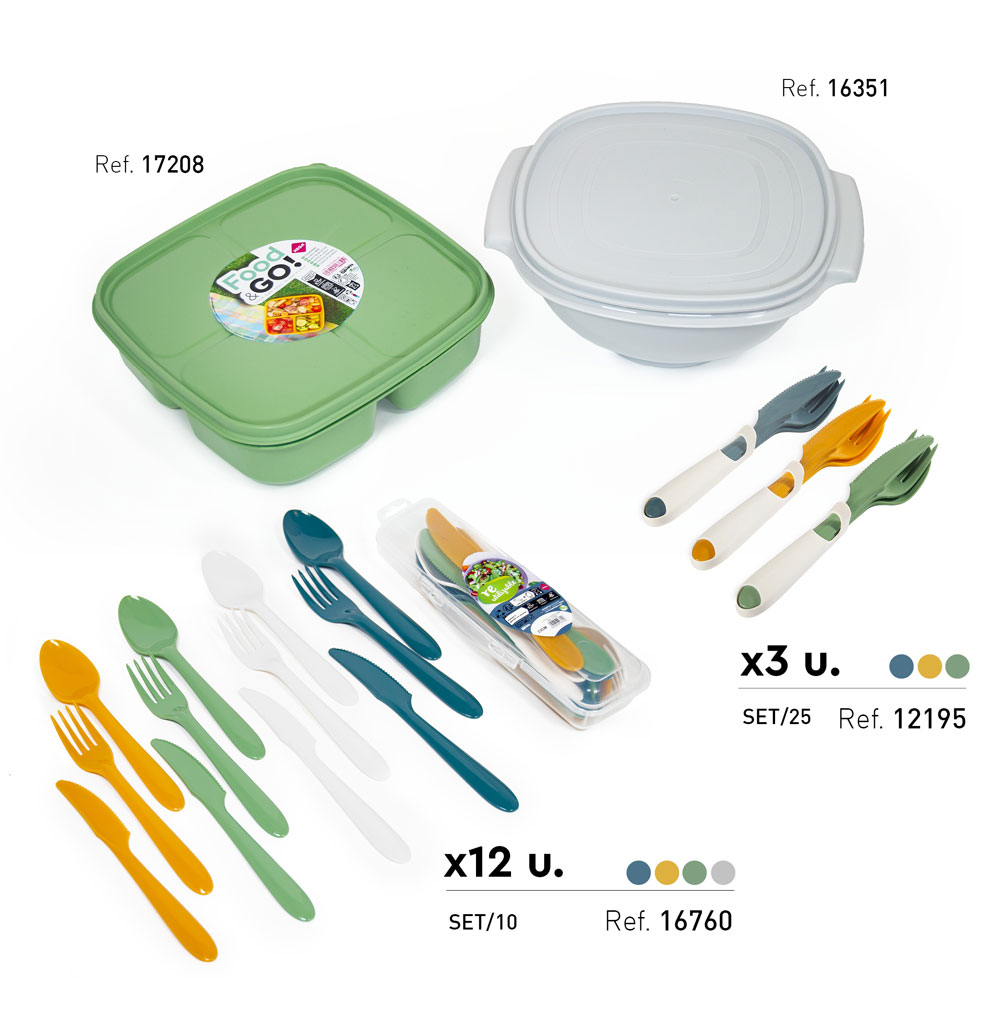
Other products that go well with FOOD&Go!

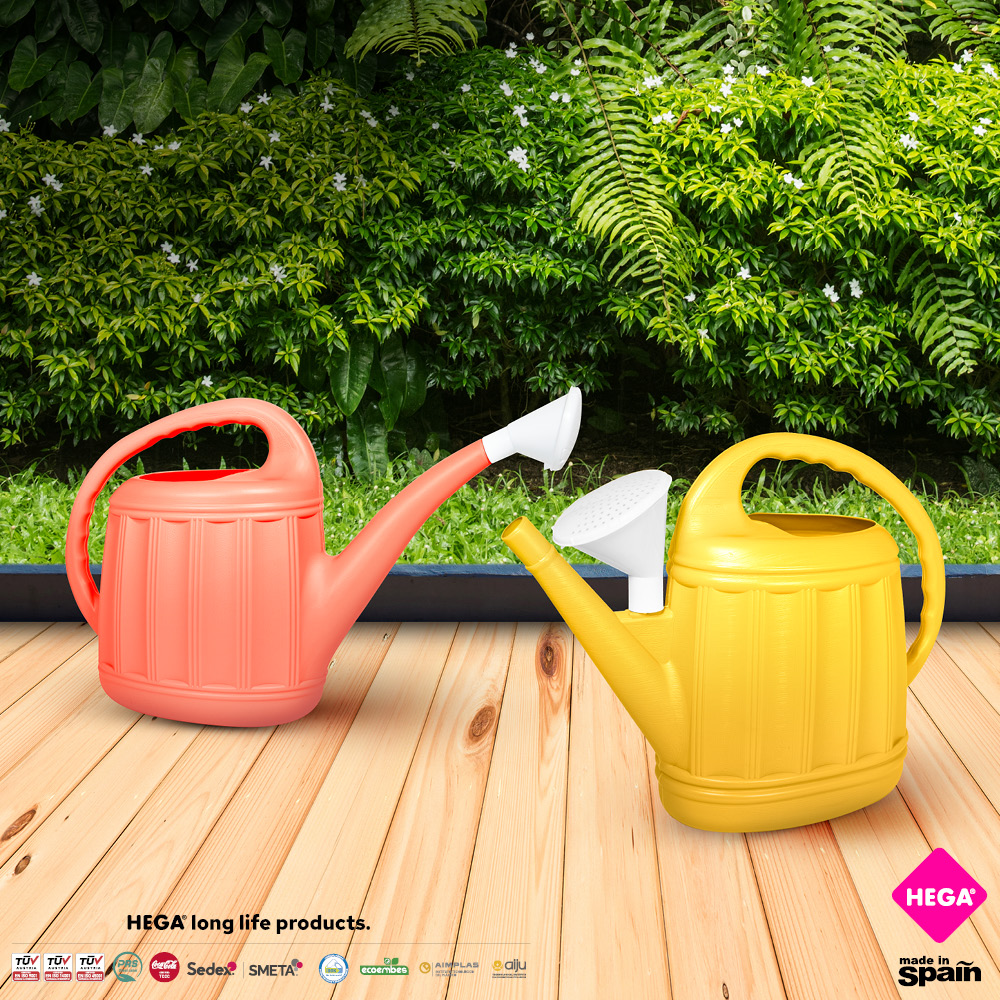
Indoor and outdoor watering cans

Indoor and outdoor watering cans

Plastic watering cans are a type of watering can that is made of plastic material. They are popular because of their durability, corrosion resistance and ease of cleaning.

There are different options of plastic watering cans available on the market. You can find plastic watering cans in different sizes and capacities. Some plastic watering cans also have additional features, such as long nozzles or a fine rain effect.

Garden watering cans for outdoor plants: These watering cans are specifically designed for watering plants in the garden. They come in different sizes and capacities to suit individual needs. In addition to traditional watering cans, there are also outdoor watering can options, such as solar showers, which are ideal for cooling off while enjoying the garden.

When it comes to watering cans for indoor plants, there are different options that can be suitable for watering potted plants and indoor plants.

In addition, garden shops and home improvement centres may also carry watering cans specifically for houseplants. I recommend checking with local shops in your area to see what options they have available.

It is important to consider your needs and preferences when choosing a plastic watering can. Consider the size, capacity and any special features you may need to make sure you find the right watering can for you.

I hope you find this information useful. If you have any other questions, don’t hesitate to ask.


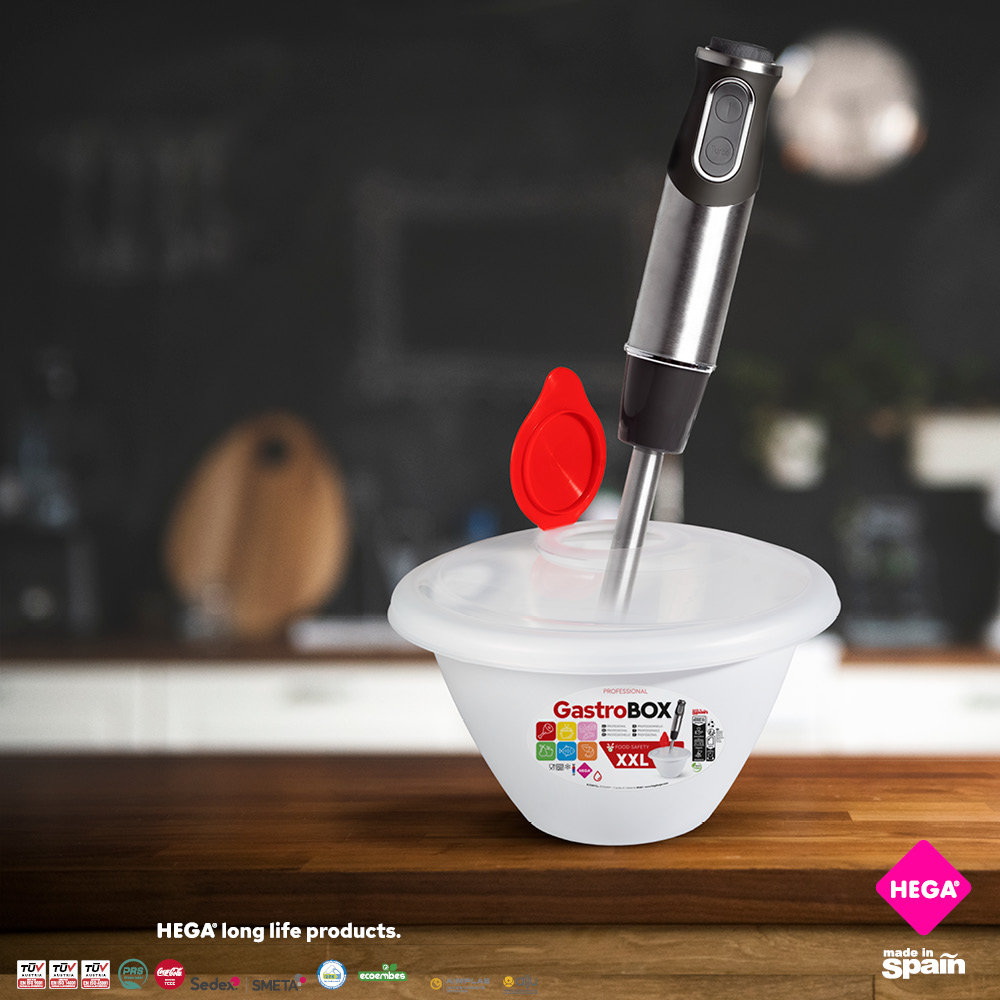
KITCHEN BOWL FOR BLENDER

KITCHEN BOWL FOR BLENDER

A blender bowl is a container that is used as part of a stand mixer to mix and combine ingredients. Mixer bowls come in different sizes and materials, from stainless steel to glass and plastic. In general, it is recommended to use the type of bowl that comes with the specific make and model of the blender you are using to ensure it is compatible and to get the best results.

A professional cooking bowl can be used for a variety of tasks in the kitchen, from mixing and kneading to marinating and serving. The choice of bowl material and size will depend on the type of food preparation and the quantity you need to make.

In general, professional cooking bowls are available in different materials, such as stainless steel, tempered glass, ceramic and high quality plastic. Stainless steel bowls are popular because of their durability, corrosion resistance and ability to maintain temperature. Tempered glass bowls are heat resistant and can withstand sudden temperature changes. Ceramic is a popular material due to its aesthetic appeal, while high quality plastic bowls are durable and easy to clean.

In terms of size, bowls can range from small mixing bowls to large serving bowls. While the most common sizes are around 1 to 5 litres, some professional cooking bowls can hold up to 20 litres or more. So you should consider the type of tasks you want to perform before choosing the right size of bowl.


GASTRONORM

Gastronorm is a size standard for containers used in the food industry for the preparation, storage and serving of food. Gastronorm trays, or Gastronorm containers, come in different sizes and depths, and are designed to be stackable and easy to store and transport.

The Gastronorm system is based on a 1/1 size, which has a standard measurement of 530 mm long x 325 mm wide. The containers are manufactured in various depths to suit different types and quantities of food, such as 65mm, 100mm, 150mm and 200mm depth, among others.

The basic Gastronorm size is 1/1, which is equivalent to a full size baking tray. From there, sizes are divided in half, known as 1/2, and then into quarters (1/4), eighths (1/8) and sixteenths (1/16). There are also Gastronorm containers called “pans” which are longer and narrower than standard racks.

The Gastronorm system is widely used in the food industry for a variety of purposes, from food preparation and cooking to storage and transportation. Gastronorm trays are common in commercial kitchens, restaurants, hotels, hospitals and other food service establishments due to their versatility, quality, ease of use and ability to stack to save space.

In short, Gastronorm is a standard size system used in the food industry for containers that are used in the preparation, storage and serving of food. The standard tray is 1/1, with different depths, and is divided into halves, quarters, eighths and sixteenths.

GASTRONORM

GASTRONORM

Gastronomy is one of the most important activities worldwide and is an ever-expanding industry. The way food is prepared, served and presented is crucial to the success of any restaurant or food business. That is why the gastronorm standard is an essential part of the food industry. In this article, we will explore the gastronorm standard, its history, sizes, materials, and examples of use.


History of the gastronorm standard

The gastronorm standard originated in Switzerland in the 1960s when several associations met and agreed on standard dimensions for mobile cooking vessels and utensils, such as pans, trays and wire racks, as well as other kitchen utensils and equipment. The aim of the standard was to maximise capacity utilisation in ovens and refrigerators by introducing cookware in compatible square sizes that left no corners unused.

The standard was first formalised on 17 November 1964, when different Swiss hotel associations met and agreed on the basic metric size of 530 × 325 mm. Despite initial scepticism from chefs who claimed that ‘gastronomy cannot be standardised’, the Gastronorm (GN) format has since gained worldwide recognition and is used by a large majority of equipment manufacturers and professional kitchen users around the world. On 15 December 1993, the format was adopted by the European Committee for Standardisation in EN 631-1: 1993 “Food contact materials and articles – Catering containers – Dimensions of containers”.


Gastronorm standard sizes

The Gastronorm system is based on a fraction, which makes GN containers of different sizes interchangeable. For example, one GN 1/1 tray can be replaced by two GN 1/2 containers. The basic format is called “GN 1/1” and measures 530×325 mm, with other Gastronorm sizes being multiples and submultiples of this basic module size.

Gastronorm containers allow flexible, space-efficient and compatible storage, as well as adapted transport, processing and serving for racking, transport on trolleys and conveyor belts, safe temporary placement in compatible sinks, worktops, refrigerators, freezers, ovens, hot water baths and compatible dishwashers, or for display. Other products that have adopted the Gastronorm format include cutting boards and non-stick mats.

The most common materials used for the container are stainless steel or plastic (transparent or non-transparent). Stackable baking trays and stainless steel containers are commonly used for cooking in an oven, while polycarbonate and polypropylene variants are suitable for cold food storage. Porcelain or melamine containers are used for display.


Gastronorm standard materials

Containers may be made of stainless steel, enamelled steel, metal coated with a non-stick surface, synthetic or composite materials, earthenware or porcelain. Containers can have a closed or perforated bottom to facilitate drainage or certain specialised types of cooking. Recently, fully compostable Gastronorm trays have been introduced.


Examples of use of the gastronorm standard

The Gastronorm standard is used in a wide variety of applications in the food industry, from electric cooking equipment to canteens, serving trays and food containers. Gastronorm compatible kitchen equipment, such as bain-marie designed exclusively to hold Gastronorm containers, is available. Large mobile trolleys or serving trolleys are also available for storage and portability.

Combi ovens commonly use food trays with dimensions corresponding to Gastronorm specifications, most commonly GN 1/1 or GN 2/3. Some companies manufacture white porcelain dishes in Gastronorm sizes as decorative tableware. Stainless steel or plastic serving trays in Gastronorm size are available. Gastronorm compatible bread warmers, strainers, dishwashers, cutting boards are available in different sizes and shapes.


Competition with other standards

Professional kitchen equipment in America is often not built according to Gastronorm, but according to national non-metric sizing standards. Both Gastronorm and non-Gastronorm containers are sometimes referred to as “hotel pans”, “steam table pans”, “service pans” or “counter pans”, but such names say nothing about the underlying standard to which the equipment is built. Like Gastronorm, the American hotel bread system is based on a fraction system, but with measurements that are non-metric and incompatible with Gastronorm. Therefore, American trays can also be stacked and nested inside each other, similar to Gastronorm, but the two systems are incompatible.


Conclusions

The gastronorm standard is an integral part of the food industry. Since its introduction in Switzerland in the 1960s, it has become a global standard in the catering industry and an essential part of the success of any food business. The Gastronorm standard is used in a wide variety of applications, from electric cooking equipment to canteens, serving trays and food containers. With a wide variety of sizes, materials and applications, the Gastronorm standard is an essential tool for any food business looking to maximise efficiency and quality in the kitchen.